TL;DR: Keep your trade show booth in top shape between events—clean it before storing, choose a secure climate-controlled facility, protect electronics with proper packaging, and label everything so setup next time is a breeze.
Introduction
Attending trade shows can be an asset to your business and help you reach new customers. When the event ends, you’ll have to dismantle your exhibit and keep it somewhere secure so you can reuse it in the future. We’ll discuss four key considerations to make when storing your trade show booth.

Clean the Booth Before Storing It
Before storing your trade show booth, clean it thoroughly to remove dust or debris that may have accumulated during the marketing event. As you do this, look for signs of damage, such as scratches or tears in the fabric, so you can fix them before moving your exhibit into storage. This ensures your booth is ready for the next trade show and prevents deterioration in storage.
It’s best to inspect the booth periodically while it is in storage. You may have to clean it to reduce the risk of damage or mold growth; this way, there are no surprises when you pull the exhibit out for the next trade show.
Select the Ideal Storage Location
In order to minimize the risk of damage or theft, it’s best to store your dismantled booth in a secure area, such as a storage unit or warehouse. When doing this, keep all parts in the same place so you can easily access them when needed.
As you search for a storage facility, carefully examine customer reviews and ask about their security measures. Look for a facility with 24/7 surveillance, climate control, and pest control to ensure your booth stays safe and intact.
The Importance of Climate Control
Climate control is crucial when storing your trade show booth, especially if it includes electronic equipment or materials that extreme temperatures or humidity can damage.
Protect Electric Components
Some tradeshows include electric components, such as computers, TVs, or lighting. If you store these items alongside your booth, utilize protective materials like bubble wrap, cases, or packing peanuts to safeguard them from damage. Moreover, organize all cords so they don’t get tangled or damaged in storage.
Organize and Label Everything
The final consideration when storing your trade show booth is to label everything you stow away. After all, a well-organized storage system simplifies retrieving pieces for your next event.
Implement a system that uses clear storage bins or legible labels to identify different parts of the booth. You should keep a digital and physical inventory to simplify the tracking of stored items and save time and effort when pulling things out of storage.
All Exhibit Solutions
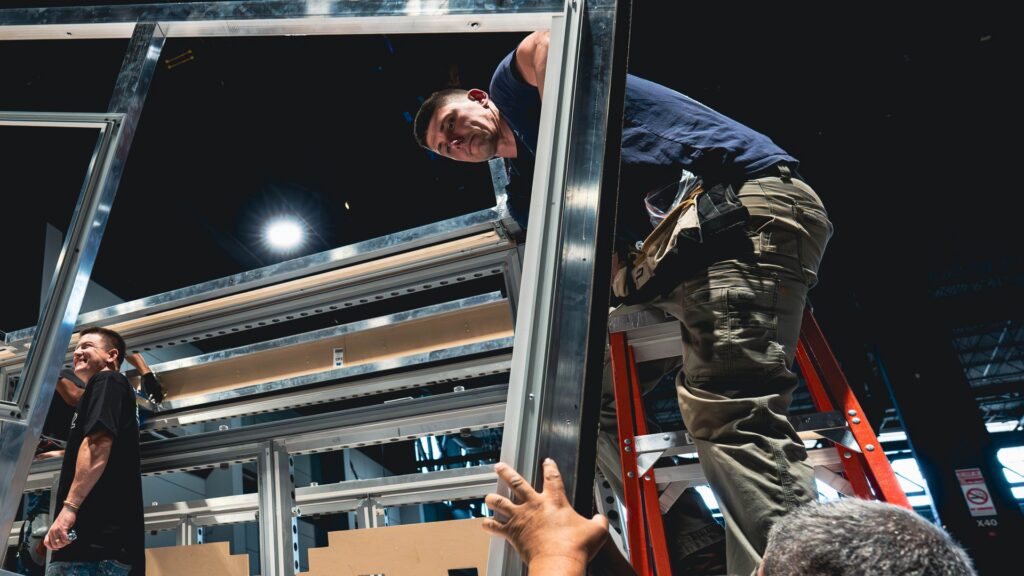
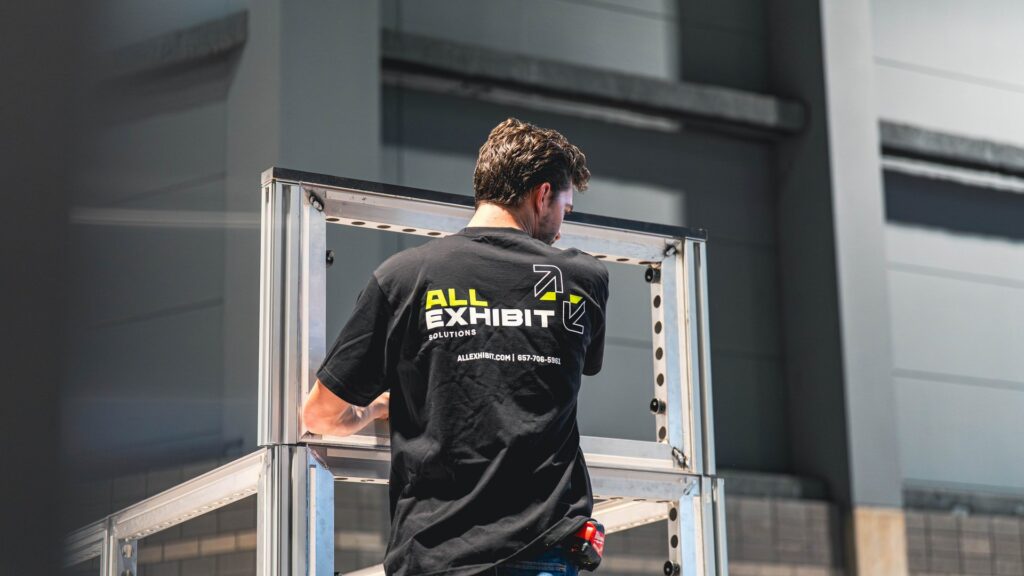
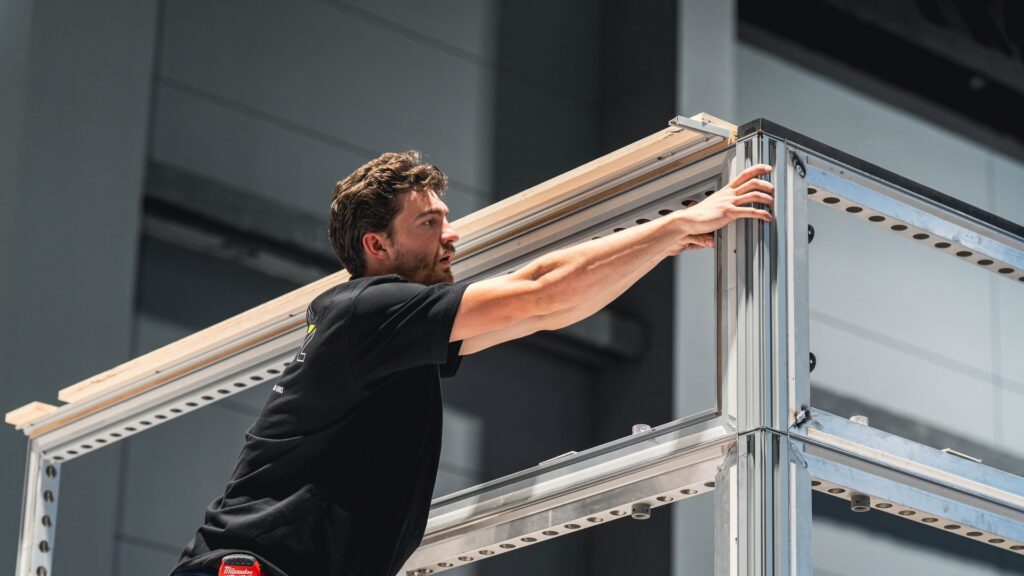
By incorporating these strategies into your storage plan, you can extend the usefulness of your trade show booth far into the future. All Exhibit Solutions is your go-to option for a trade show installation and dismantle company. Our team will set up and take down your exhibit before and after a show so you can store it somewhere safe until your next marketing event.
Recommended Articles
Trade Show Booth Rentals: Costs & What’s Included
It is worth asking how much of the rental inventory is genuinely reconfigurable, because that single answer shapes what you can do across a season. Many rental systems are modular by design, which...

Brendan Cogbill
Common Trade Show Rejection Reasons (and How to Avoid Them)
It is also worth separating the two kinds of no you might receive. A design rejection happens before the show, when your submitted plan conflicts with the rules, and it is the cheaper problem because...
Brendan Cogbill
Top Pop-Up Display Ideas for Your Exhibition Booth
Audience matters as much as venue size. A pop-up aimed at engineers and technical buyers can lean into detailed product imagery and a demo screen, while one built for a consumer-facing event might...
Brendan Cogbill
How to Choose a Trade Show Booth Company You Can Trust
However impressive a design looks in a rendering, it only matters if it goes up correctly, on time, and looking exactly as promised. Installation and dismantle is where every other decision is...
Brendan Cogbill
Inline vs. Island Booths: What Is an Inline Booth and Which Is Right for You?
The configuration you choose ripples straight through your budget and your build. Beyond the space rental itself, islands and peninsulas usually require more material, more complex structures, and...
Brendan Cogbill

Exhibit Management 101: Running Your Trade Show Program Like a Pro
A single trade show is a project. A year of trade shows is a program, and the difference between the two is exhibit management. When a company exhibits a few times a year, the work tends to be...
Brendan Cogbill
What Is Suitcasing at Trade Shows, and How Do You Stop It?
The deepest protection against suitcasing is not a rule; it is a presence so strong that drifting away from it feels like missing out. A well-designed, well-built, and well-staffed booth pulls...
Brendan Cogbill
What a Strong I&D Partner Actually Saves You
On paper, installation and dismantle looks like a line item, a cost to minimize on the way to the part of the budget that feels more important. In practice, the quality of your labor partner quietly...